
What Are The 10 Principles Of Fine Art Photography
Creating Images That Speak to the Soul
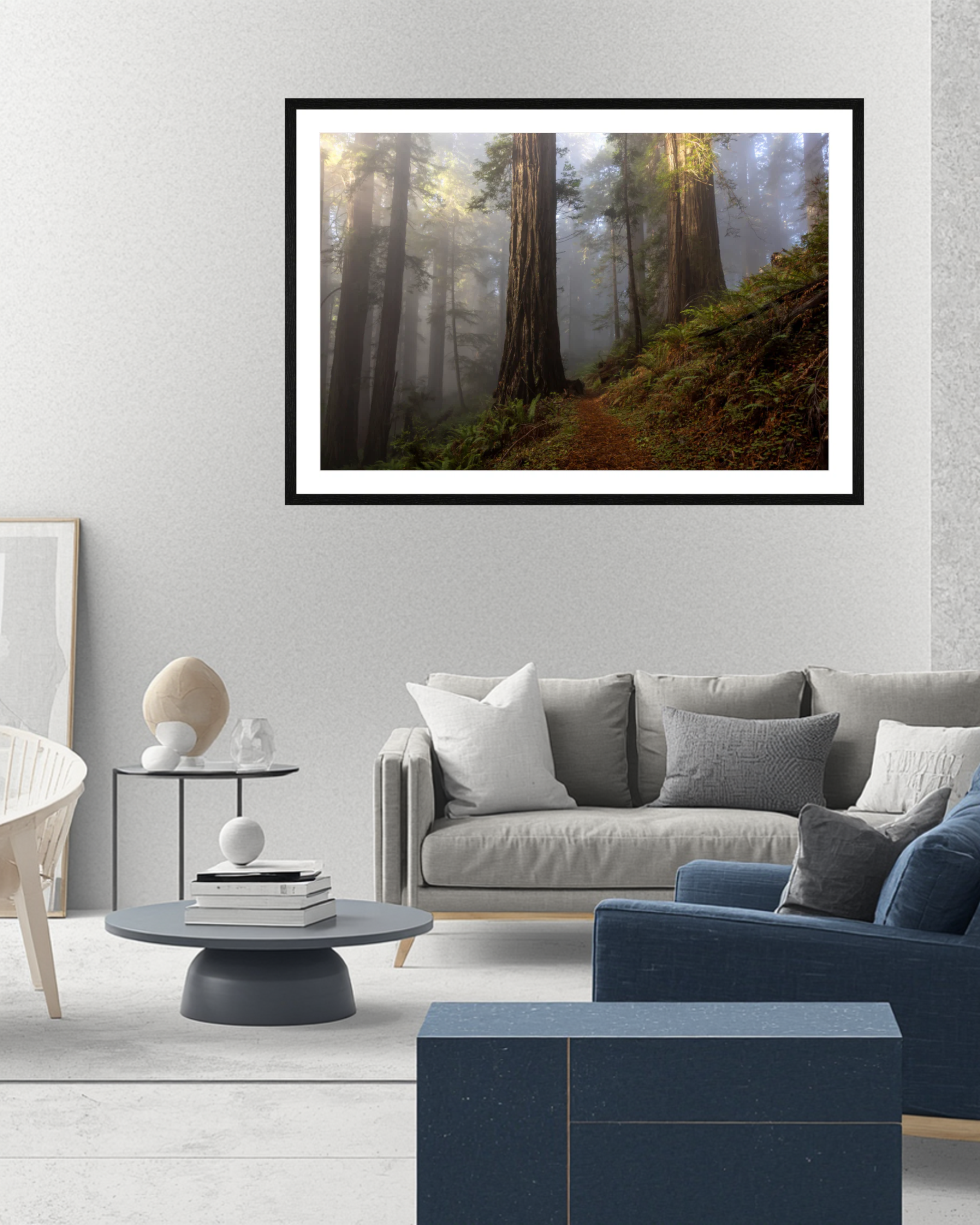
In a world overflowing with images, truly memorable photographs are rare.
Every day, millions of photographs are uploaded online, viewed for a few seconds, and then forgotten. Yet some images stay with us. They linger in our minds long after we've walked away. They make us pause, reflect, and feel something deeper. This is the essence of fine art photography!
Fine art photography is not simply about documenting a scene or capturing a moment. It is about creating an emotional experience. It transforms ordinary subjects into meaningful visual stories that connect with the viewer on a personal level.
Whether displayed as fine art prints in a home, featured in a gallery, or used as statement wall art, the most powerful photographs share a common foundation. They are built upon a set of principles that help turn a photograph into a work of art.
Here are the ten principles of fine art photography that every photographer and art collector should understand.
1. Emotional Connection
Perhaps the most important principle of fine art photography is the emotion.
A technically perfect image means very little if it fails to make the viewer feel something. The most compelling fine art photographs evoke emotions such as peace, nostalgia, wonder, curiosity, hope, solitude, or inspiration.
Think about the images that have stayed with you throughout your life. Chances are they weren't memorable because of the camera used to create them. They were memorable because they touched something deeper inside you.
Great fine art photography speaks the universal language of human emotion.

2. Artistic Vision
Fine art photography begins long before the shutter is pressed.
Every image starts with an idea, a feeling, or a message the artist wants to communicate. Artistic vision gives purpose to the photograph and transforms it from a simple picture into intentional artwork.
Rather than asking, "What am I photographing?" fine art photographers often ask, "What am I trying to say?"
The answer becomes the foundation of the image.
3. Strong Composition
Composition is the framework that guides the viewer through the photograph.
Elements such as leading lines, symmetry, negative space, balance, and framing help create visual harmony. Strong composition allows the eye to move naturally through the image while emphasizing the most important subject.
A beautifully composed photograph feels effortless, even though every element has been carefully considered.

4. Light as a Creative Tool
Photography literally means "drawing with light."
In fine art photography, light is not simply used to illuminate a subject. It becomes part of the story.
Soft morning light can create feelings of hope and serenity. Dramatic shadows can introduce mystery and tension. Golden hour light can evoke warmth and nostalgia.
Mastering light allows photographers to shape mood, atmosphere, and emotion in powerful ways.
5. Storytelling
Every fine art photograph tells a story.
The story may be obvious or subtle. It may invite questions rather than provide answers. The beauty of fine art lies in allowing viewers to bring their own experiences and interpretations to the image.
A lone tree standing against a stormy sky may represent resilience to one viewer and loneliness to another.
Both interpretations are valid.
The strongest fine art photography leaves room for imagination.
6. Simplicity
One of the most overlooked principles of fine art photography is simplicity.
Powerful images often remove distractions and focus on a single idea, shape, texture, or subject.
When unnecessary elements are eliminated, the message becomes clearer and more impactful.
Simplicity creates elegance, and elegance often creates timelessness.
7. Technical Excellence
While emotion is essential, technical quality still matters.
Sharp focus, proper exposure, intentional depth of field, and professional post-processing help support the artistic vision. Technical skill allows the viewer to focus on the story rather than distractions caused by poor execution.
The best fine art photographers blend creativity with craftsmanship.
8. Originality
The world has already seen countless sunsets, mountains, forests, and cityscapes.
What makes a fine art photograph stand out is the artist's unique perspective.
Originality comes from seeing familiar subjects differently. It is found in personal interpretation, creative composition, and authentic expression.
Your voice as an artist is often your greatest asset.
9. Timeless Appeal
Trends come and go, but timeless photography endures.
The finest examples of fine art photography remain relevant years or even decades after they were created. They focus on universal themes such as nature, beauty, perseverance, freedom, love, and the human experience.
Timeless images become more than decoration. They become meaningful pieces of visual heritage.
This is why fine art wall art continues to hold value long after trends have faded.
10. Quality Presentation
A great photograph deserves a great presentation.
The impact of fine art photography extends beyond the image itself. Premium printing materials, archival papers, professional framing, and exceptional craftsmanship all contribute to the final experience.
When displayed properly, a fine art print becomes more than wall décor. It becomes a focal point, a conversation starter, and an emotional presence within a space.
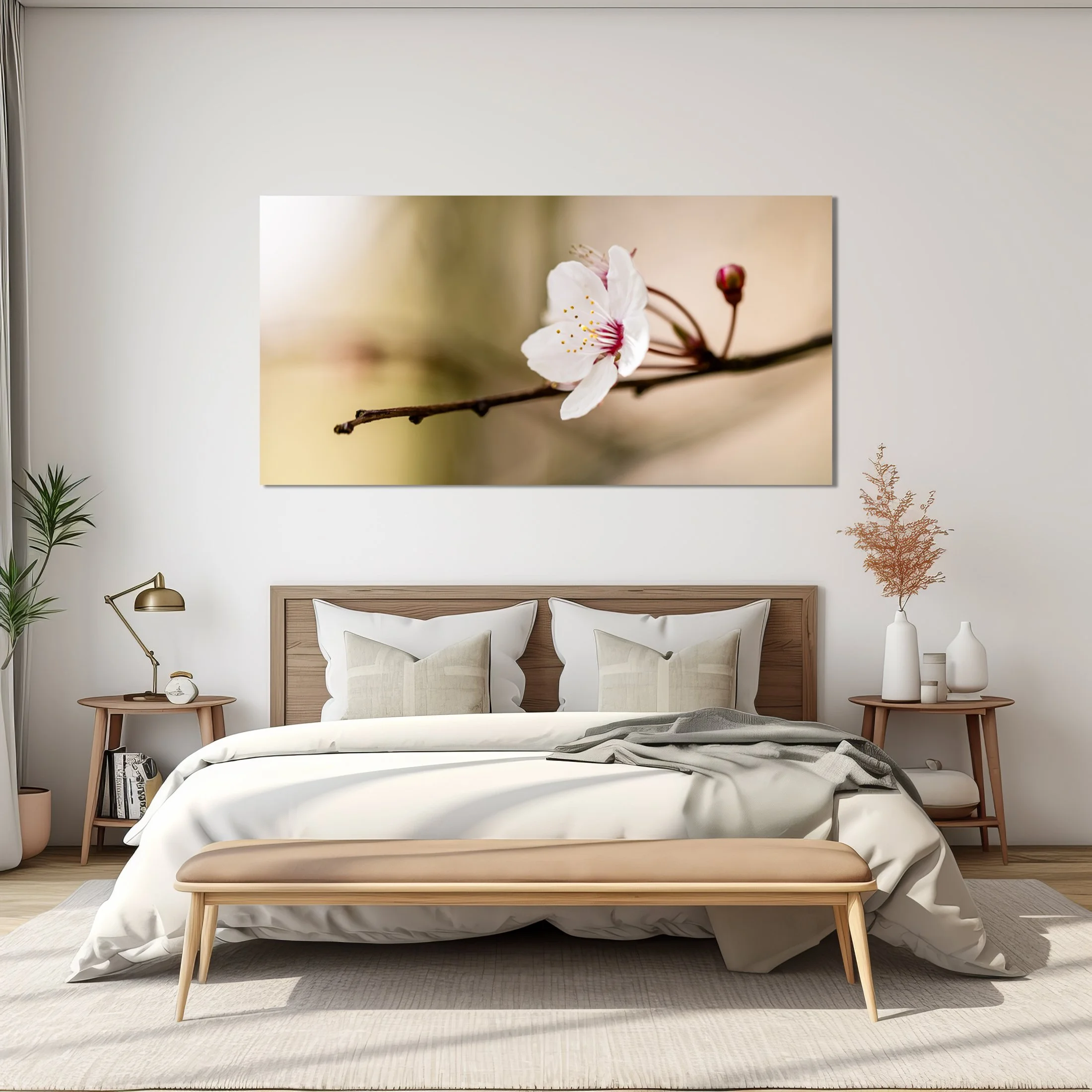
Why Fine Art Photography Matters
Fine art photography has the ability to transform a room, but its true power goes far beyond interior design.
The right image can remind us of places we've loved, dreams we've pursued, and emotions we've felt. It can bring calmness to a busy home, inspiration to a workspace, or a sense of wonder to everyday life.
In a fast-moving digital world, fine art photography invites us to slow down and truly see.
It reminds us that beauty exists in the ordinary, that stories exist in silence, and that a single image can sometimes say more than a thousand words ever could.
Final Thoughts
The ten principles of fine art photography—emotional connection, artistic vision, strong composition, creative use of light, storytelling, simplicity, technical excellence, originality, timeless appeal, and quality presentation—work together to create images that resonate on a deeper level. When these principles come together, a photograph becomes more than a photograph. It becomes art, and the greatest art doesn't simply decorate our walls, it touches our hearts!
Discover fine art photography that transforms ordinary walls into extraordinary focal points, bringing elegance, inspiration, and personality to your home or workspace.
Click here for affordable recommended screens for photography editing
